direkshanDigital
AI-enabled engineering

Agents write the code.
Engineering decides what ships.

I'm Prafull Kotecha, a cloud and software architect with 20+ years in compliance-heavy enterprise systems. I build production-grade software with Claude Code, GitHub Copilot and Cursor agents. Here's how that works, what it produced, and how every AI-generated change is validated.

~330Klines of code across four AI-built systems
3,600+automated tests guarding them
200+merged pull requests
3AI agents working side by side
The workflow

One loop, every project

The agent does the typing. Humans set the scope, the standards and the bar it has to clear before anything merges.

HUMAN · DEFINE AGENT · BUILD GATES + HUMAN · VERIFY 🎯 Bounded task acceptance criteria 📘 Standards rule files for agents 🌿 Isolated worktree one task, one branch 🤖 Agent builds plan · code · tests 🚦 Automated gates tests · types · visual ✅ Human review PR merged to main failure → fix the standard, not just the code
Featured · Application modernization

Replacing Informatica with open source

Can Spring Boot and open-source Camunda (Operaton) replace Informatica at enterprise scale? I built a healthcare EDI hub for a pharmacy benefit manager that grew through acquisitions to find out. It covers X12 claims, eligibility and remittance, NCPDP pharmacy, CMS Part D, 340B and FHIR prior authorization.

~113Klines of code
41PRs in ~2 weeks
539JUnit tests
22BPMN processes
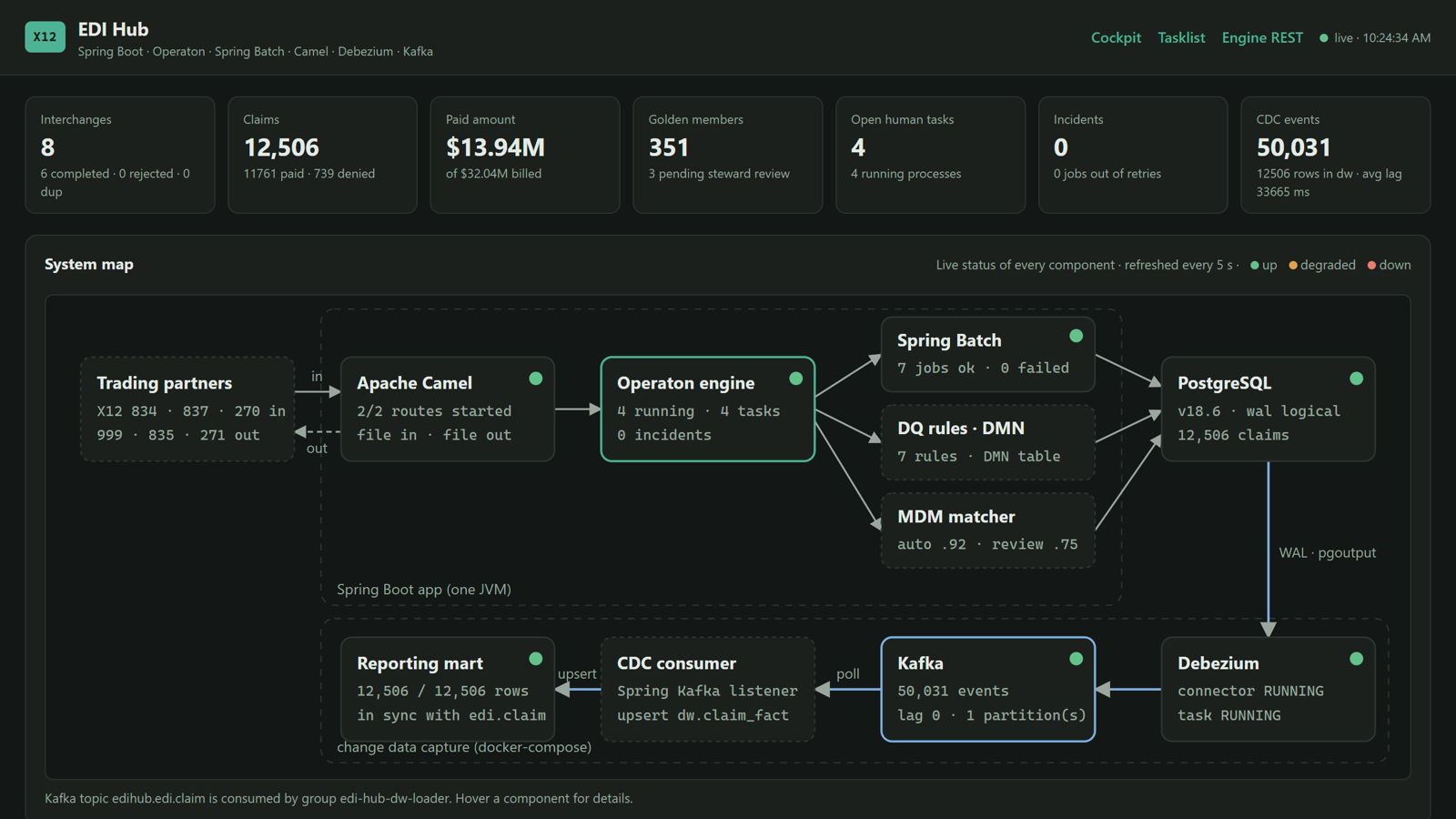
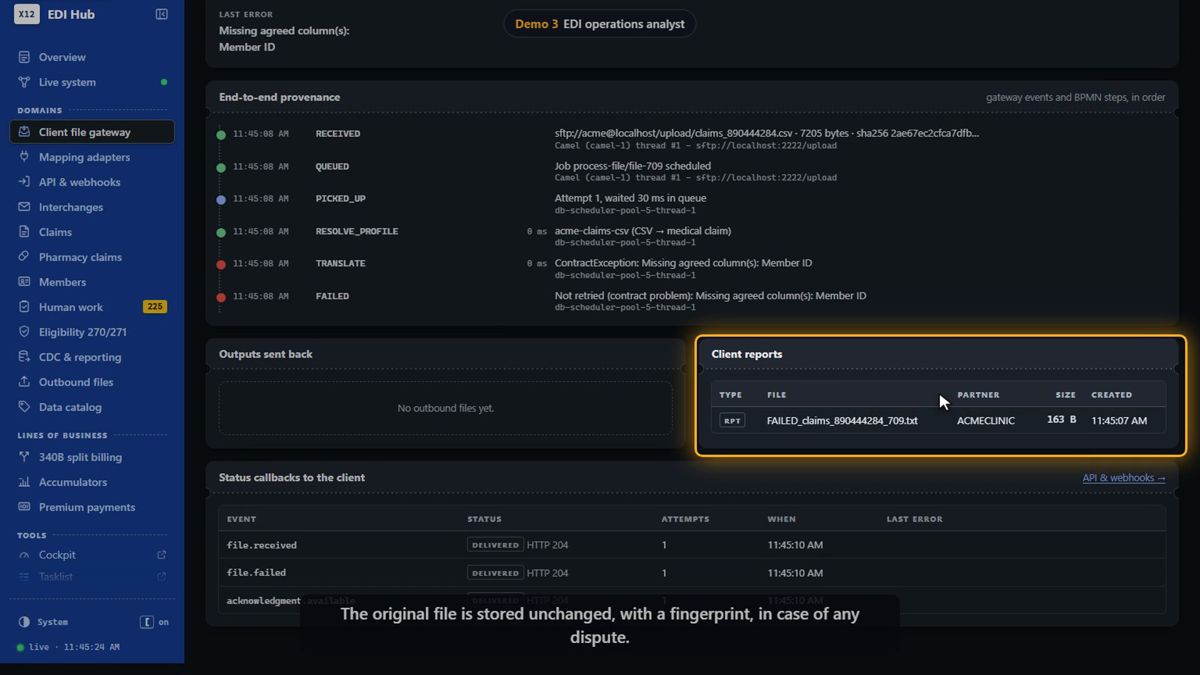
EDI Hub dashboard
EDI Hub: operations dashboard
EDI operations analyst view
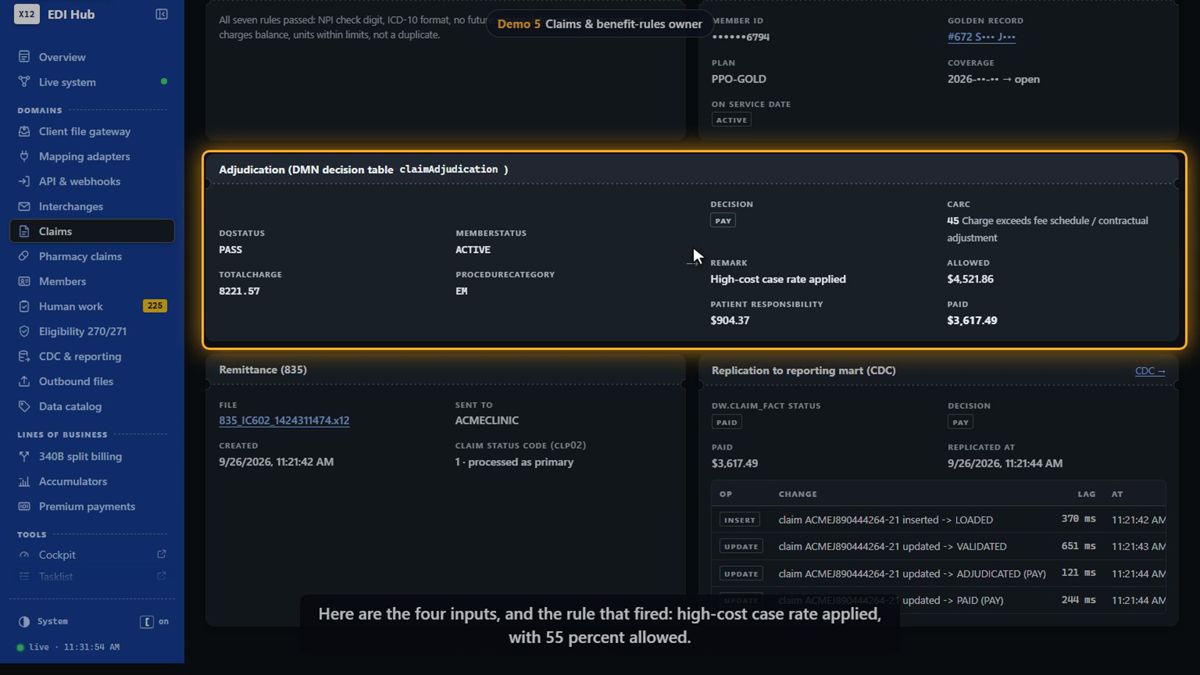
Claims rules owner view
Claims rules (DMN) owner view
INFORMATICA OPEN-SOURCE REPLACEMENT Workflow Manager BPMN orchestration · Operaton Rules / Expression transforms DMN decision tables PowerCenter mappings Spring Batch B2B Data Exchange StAEDI X12 + Apache Camel PowerExchange CDC Debezium → Kafka Data Quality · MDM Rule catalogue + steward review 41 phased PRs Claude Code + worktrees

Tools & approach

Claude CodeSubagentsGit worktreesSpring BootMavenTestcontainersDockerDataHub
  • Scope split into numbered phases, one PR each
  • Each phase built in its own worktree (~40 over the build)
  • Metadata and lineage cataloged in DataHub

How it was validated

  • 539 tests, including line-of-business flows against real PostgreSQL
  • Snapshot tests on every published metadata record
  • Full-stack end-to-end suite in mvn verify
  • Synthetic data only; patient data masked in every UI view
Long-running agent work

Data-center digital twin builder

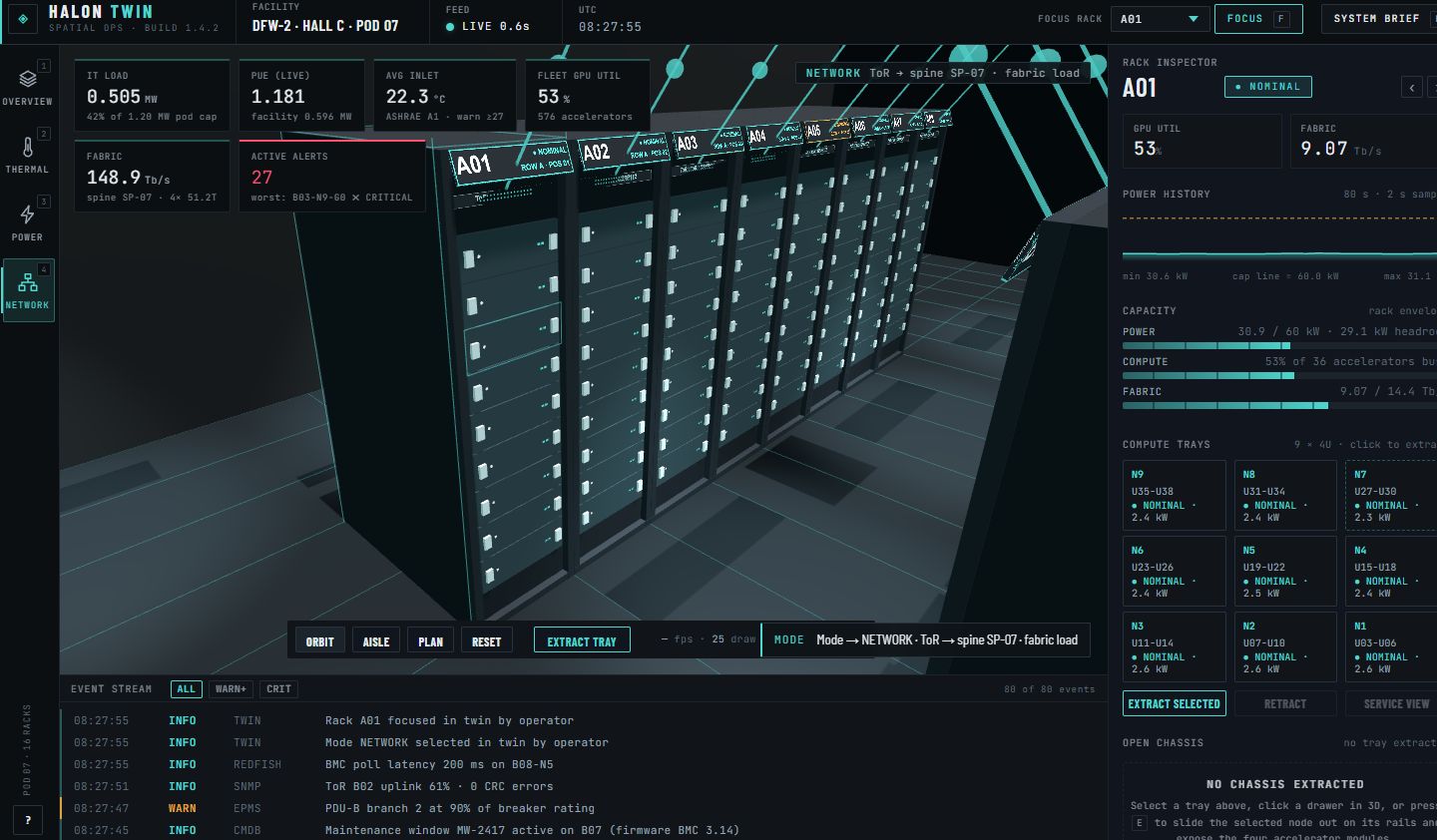
A reproducible system that turns industry-standard DTDL v3 models into interactive 3D digital twins, with live telemetry, thermal overlays and drill-down to individual GPU trays. Built over 82 agent sessions without losing context.

~57Klines of code
82agent sessions
~1,500tests
130+decision records
3D overview of a 16-rack GPU pod
16-rack GPU pod, rendered from DTDL models
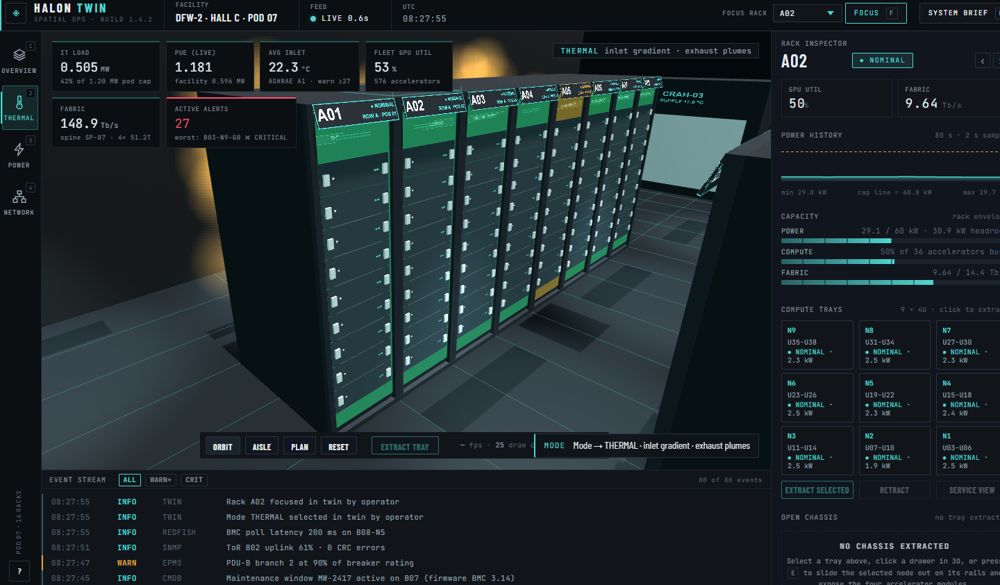
Thermal overlay
Thermal overlay
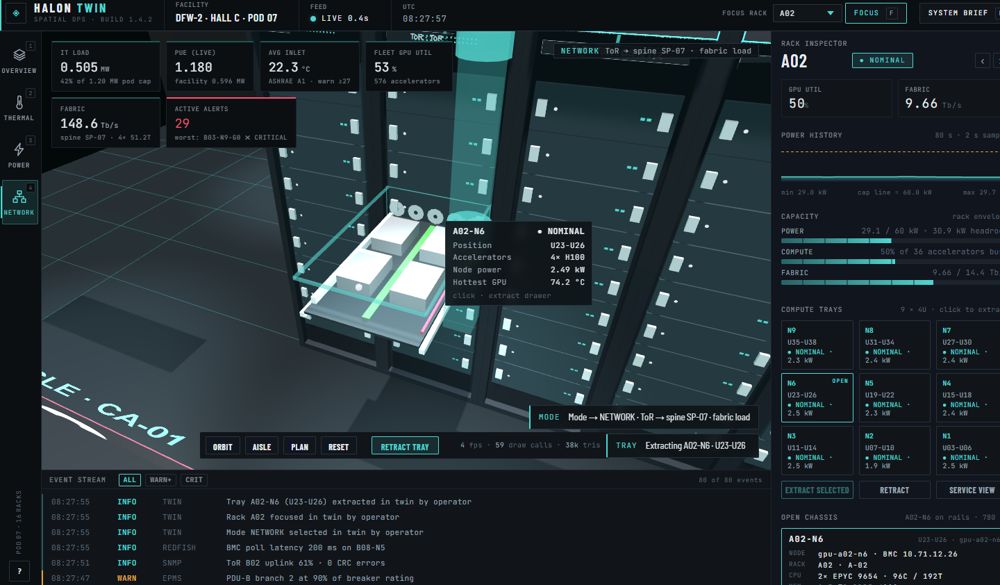
Server tray extracted
Server tray drill-down
PERSISTENT CONTEXT PRD.md · what & why CLAUDE.md · how STATE.md · where DECISIONS.md · why /start Verify baselineis main still green? Execute NEXT:model routed by task verify.sh gatetests · budgets · pixels · a11y Update STATE.mdtick task with commit sha /end · /next next session

Tools & approach

Claude CodeCustom commandsTypeScriptThree.jsVitestGitHub Actions
  • 274 commits in three weeks across 82 sessions
  • /start, /next, /end, /audit commands
  • Unattended loop routes each task to an appropriately sized model

How it was validated

  • Mandatory verify gate on every push
  • Schema validation of every model and twin instance
  • Draw-call and triangle budgets enforced in CI
  • Pixel comparison against reference screenshots
  • Keyboard, focus-trap and accessible-name checks
Compliance guardrails

HIPAA-oriented multi-tenant clinic platform

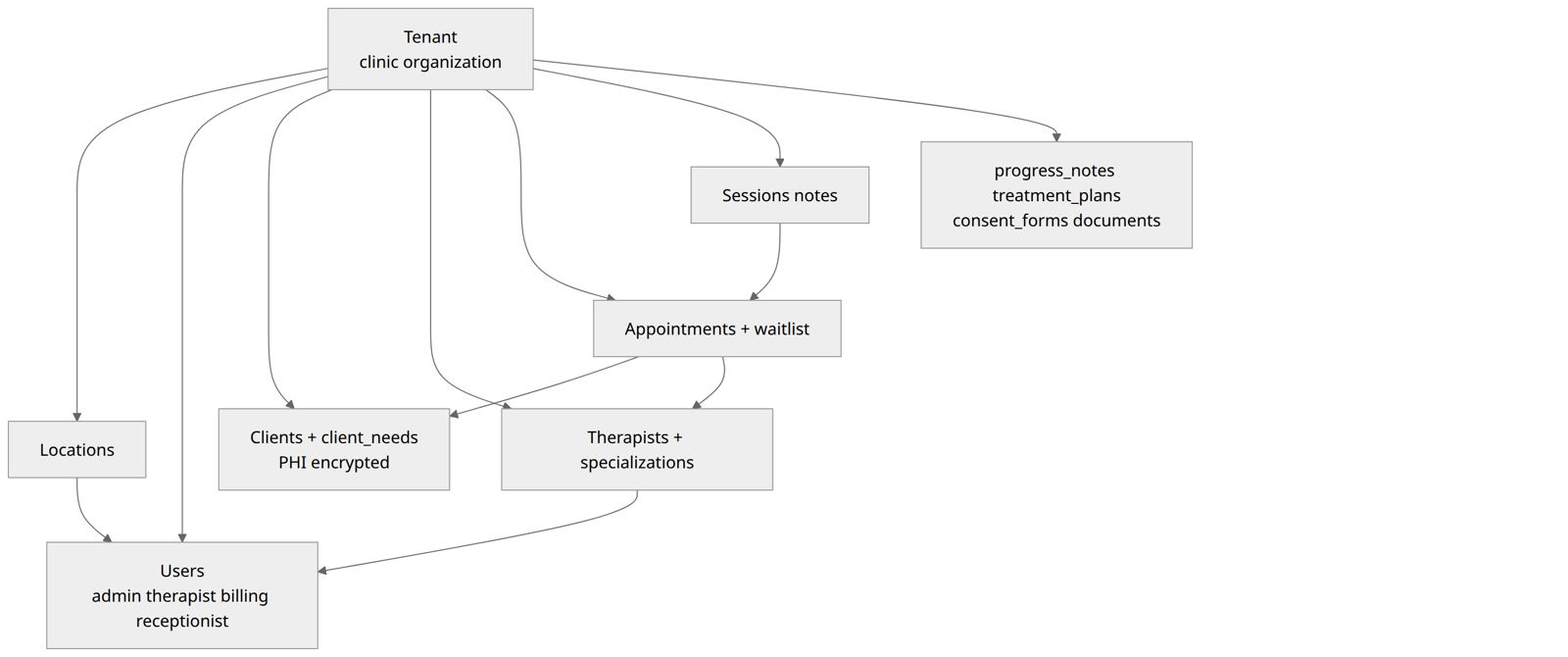
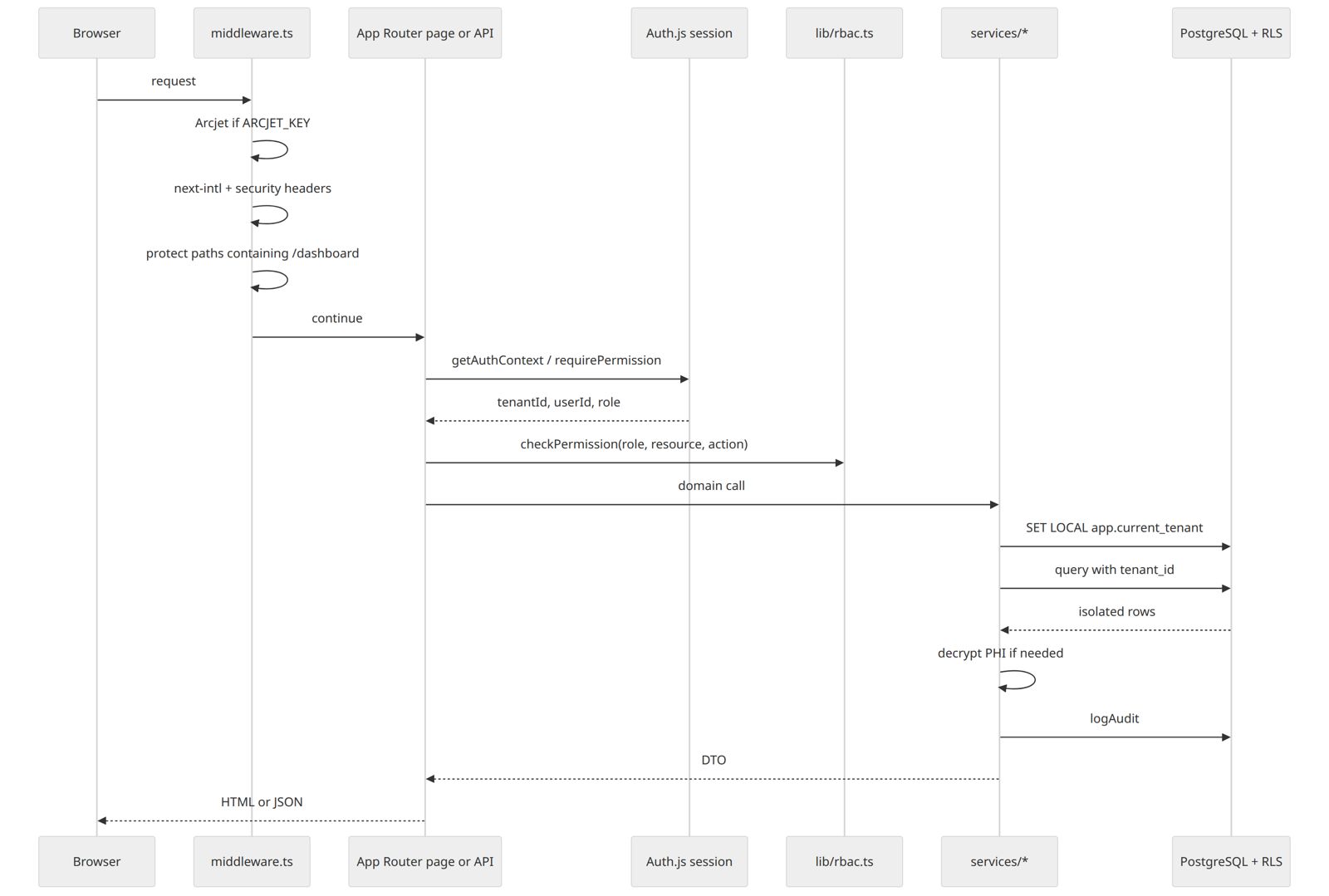
A multi-tenant clinic management system where one unscoped database query is a data breach. The AI had to work inside strict, written rules, and the tests had to prove isolation held after every change.

~75Klines of code
280+tracked issues
1,479unit tests
85E2E tests
Multi-tenancy architecture diagram
Multi-tenancy with PostgreSQL row-level security
Request path architecture diagram
Request path: auth → tenant context → data
GUARDRAILS · CLAUDE.md tenant rules · DCO sign-off · /hipaa-check /work-issue 142 Fetch issuegh issue view Branchboard → In Progress Plan + codetodo list test:ciunit · E2E · RLS Signed commitDCO trailer Pull request/review-pr Then /complete-issue merges, cleans up and /suggest-next-issue picks the next one.

Tools & approach

Claude CodeCursor AgentGitHub CLINext.jsPostgreSQL RLSKeycloakPlaywright
  • 10 custom commands and reusable skills, incl. a HIPAA auditor
  • Tenant-scoped query pattern and DB-context helper mandated in CLAUDE.md
  • Cursor's agent handled separate work streams

How it was validated

  • 27 test files dedicated to tenant isolation, encryption and audit logging
  • Local CI run required before a PR is marked ready
  • Automated HIPAA audit as a second check
Multiple agents, one codebase

Field-service management platform

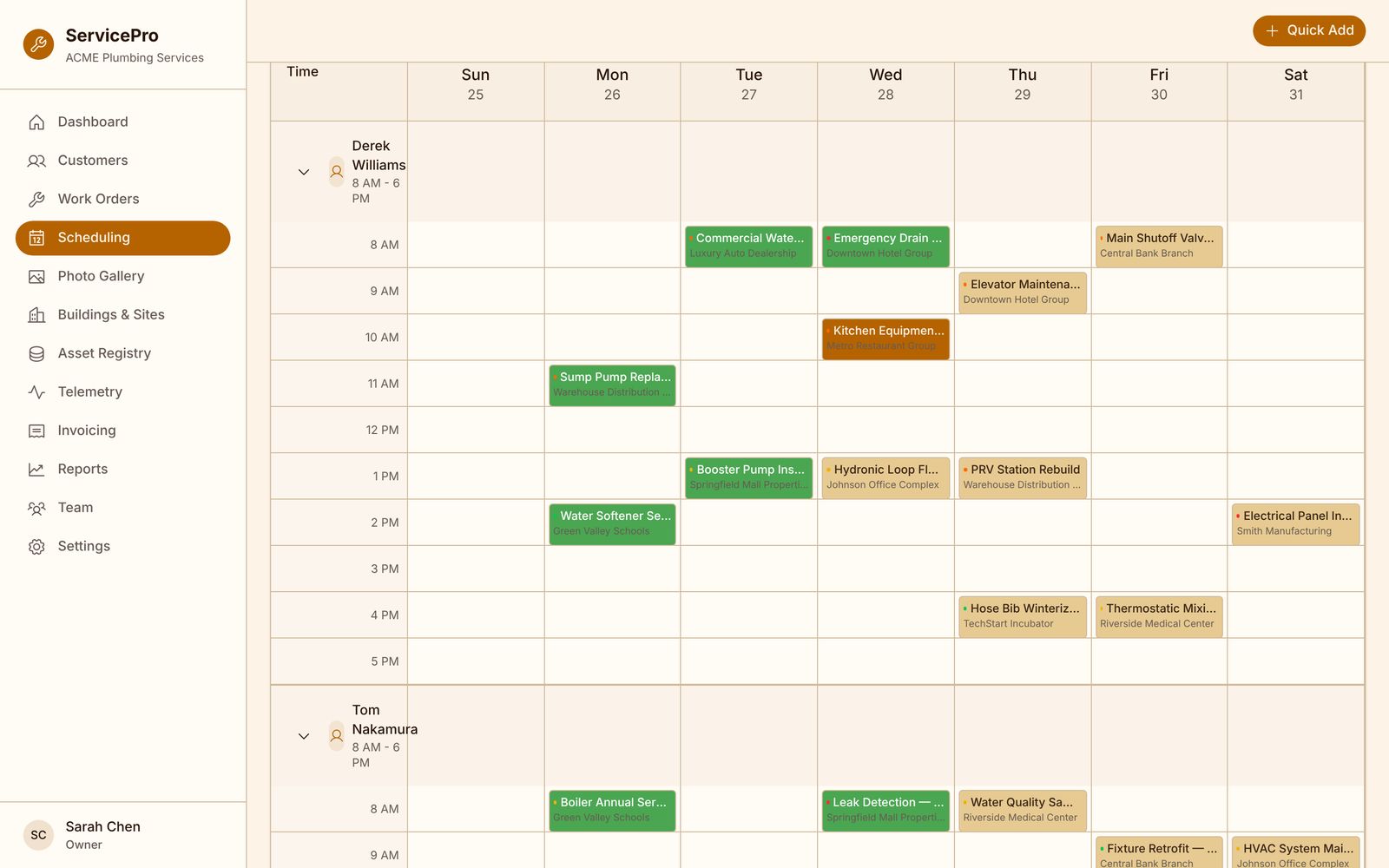
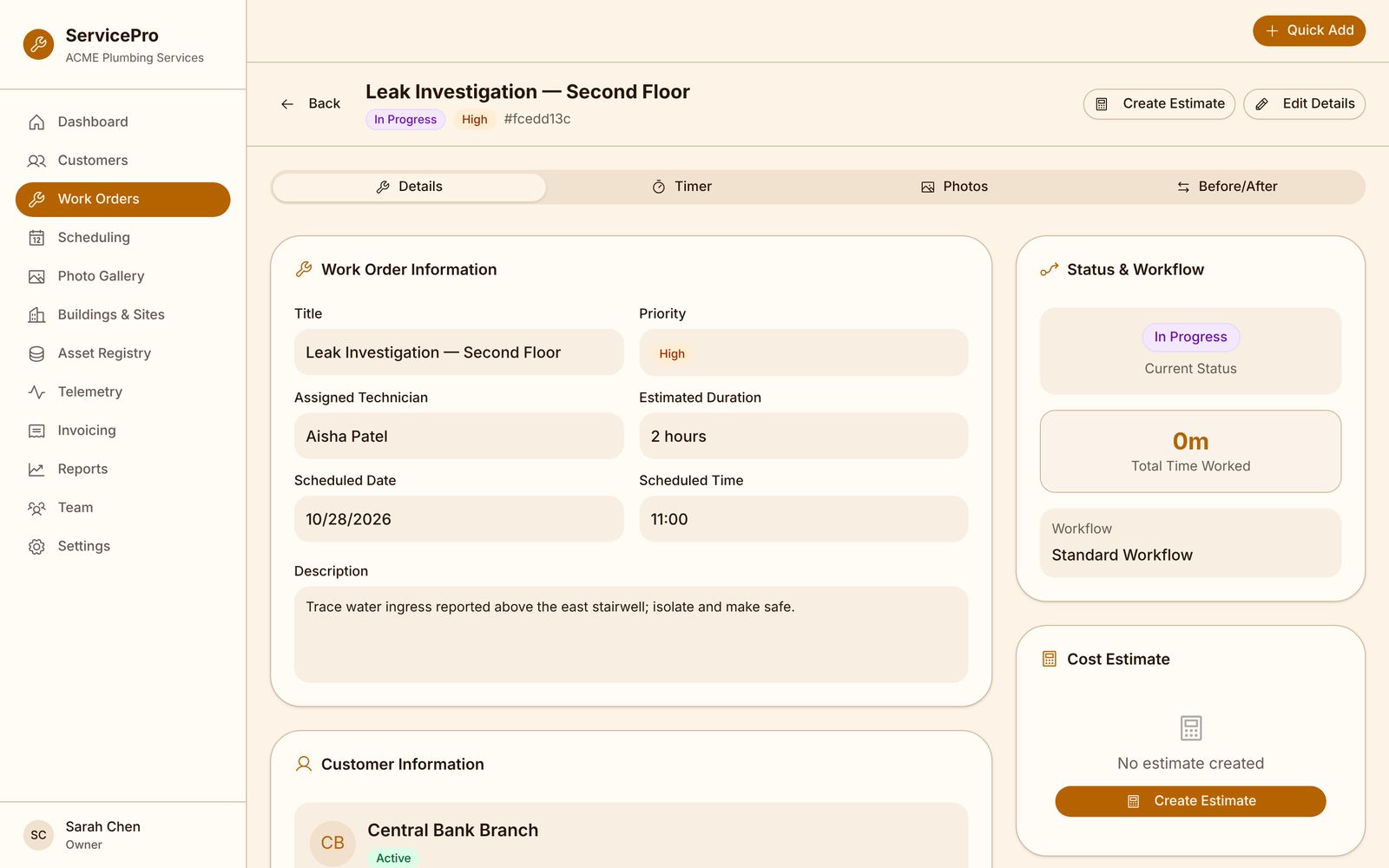
A multi-tenant SaaS for service businesses: CRM, scheduling, work orders and visual job documentation. Two different AI coding agents contributed to the same codebase under one set of conventions and one review process.

~85Klines of code
757commits
159merged PRs
200+test files
Claude Code145 co-authored commits GitHub Copilot agent146 commits AGENTS.mdshared conventions Pull requesttests · DCO check main159 merged PRs Dependabot updates flow through the same gates.
Week dispatch board with jobs in each technician's row
Dispatch board
Work order detail with status workflow and cost estimate
Work order

Tools & approach

Claude CodeGitHub Copilot coding agentDependabotGitHub PRs
  • One AGENTS.md read by every agent, plus Copilot instructions
  • Each agent works issue by issue through its own PRs

How it was validated

  • Agent work merged through pull requests
  • 200+ test files
  • Sign-off check fails any commit without a matching trailer
  • See the product →
What I teach

Three habits that make AI agents pay off

Agents are fast but literal. Teams that get real gains build these habits first.

01

Keep tasks bounded

Small tasks with clear acceptance criteria. One task, one branch, one pull request.

02

Write standards where agents read them

CLAUDE.md, AGENTS.md and custom commands turn team conventions into something the agent follows every session.

03

Gates that fail loudly

Tests, snapshots, visual and accessibility checks catch what the agent misunderstood. A human still approves the merge.

Work together

Want this for your team?

Hands-on coaching, live walkthroughs and AI-first engineering practices.